Many parents wonder, “Is anomaly scan harmful?” This is a common question during pregnancy. An anomaly scan is a special type of prenatal ultrasound. It checks the baby’s growth and development. Most doctors recommend this scan between 18 and 22 weeks of pregnancy. But is it safe? In this blog, we will explain what an anomaly scan is, why it is done, and what science says about its safety. We will also share expert advice and answer common questions.
What Is an Anomaly Scan?
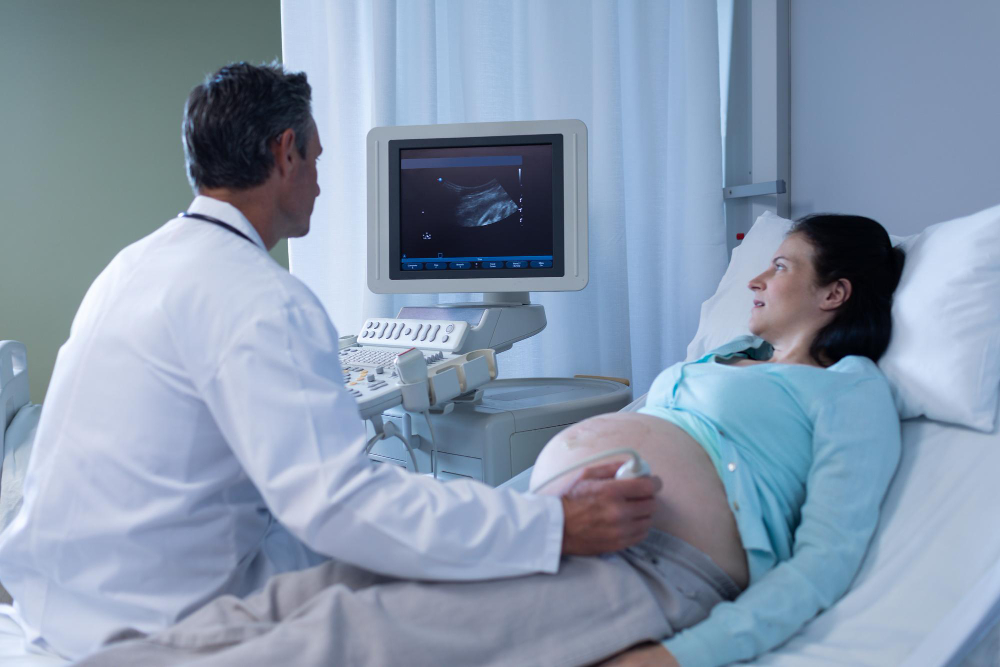
An anomaly scan is a detailed ultrasound test. It uses sound waves to create pictures of your baby inside the womb. During the scan, a doctor or technician moves a small device over your belly. This device sends sound waves into your body. The waves bounce back and form images on a screen. These images help check your baby’s organs, bones, and overall health. The scan does not use radiation. It is a routine part of pregnancy care in many countries.
Why Is an Anomaly Scan Done?
Doctors use the anomaly scan to look for any problems in the baby’s body. For example, they check the heart, brain, spine, kidneys, and limbs. They also look at the placenta and the amount of fluid around the baby. This scan helps spot birth defects early. Early detection allows doctors to plan the best care for both mother and baby. In addition, the scan can confirm the baby’s age and growth.
Is Anomaly Scan Harmful?
Many parents worry about the safety of prenatal ultrasounds. However, research shows that anomaly scans are safe when used correctly. The World Health Organization (WHO) and the Centers for Disease Control and Prevention (CDC) both say that ultrasound during pregnancy does not harm the mother or baby. The scan uses sound waves, not radiation. Studies have not found any link between standard ultrasound and birth defects, autism, or developmental problems. Still, it is important to use ultrasound only when needed. Some myths suggest that ultrasounds can cause harm, but these are not supported by science. When done by trained professionals, the risk is very low.
Risks and Side Effects
Most people do not feel any pain during an anomaly scan. Some may feel slight pressure from the device on the belly. There are no known long-term side effects from standard prenatal ultrasound. According to current research, the scan does not increase the risk of miscarriage or other problems. However, experts advise against unnecessary or repeated scans. Using ultrasound for non-medical reasons, like keepsake videos, is not recommended. Always follow your doctor’s advice about scans.
Safety Guidelines and Recommendations
Following these guidelines helps keep you and your baby safe. For more details, you can visit the WHO or CDC websites.
When to Consult Your Doctor
It is important to talk to your doctor if you have concerns about the anomaly scan. You should also consult your doctor if:
Your doctor can give you clear answers and guide you through each step.
Frequently Asked Questions
Conclusion and Call-to-Action
In summary, anomaly scans are safe for most mothers and babies. They help doctors check your baby’s health and spot any problems early. Scientific studies and expert groups like WHO and CDC support their safety when used properly. If you have any doubts or questions, always talk to your doctor. Consult your healthcare provider at Star Diagnostics for personalized guidance on anomaly scans.