

What is an Abdominal Ultrasound?
An abdominal ultrasound is a non-invasive imaging test. It uses sound waves to create pictures of the organs inside your belly. Doctors often use this test to check for problems in the liver, kidneys, gallbladder, pancreas, and other organs. Because it is safe and painless, many people have this test done each year. In fact, it is one of the most common ways to look inside the body without surgery.
How Does an Abdominal Ultrasound Work?
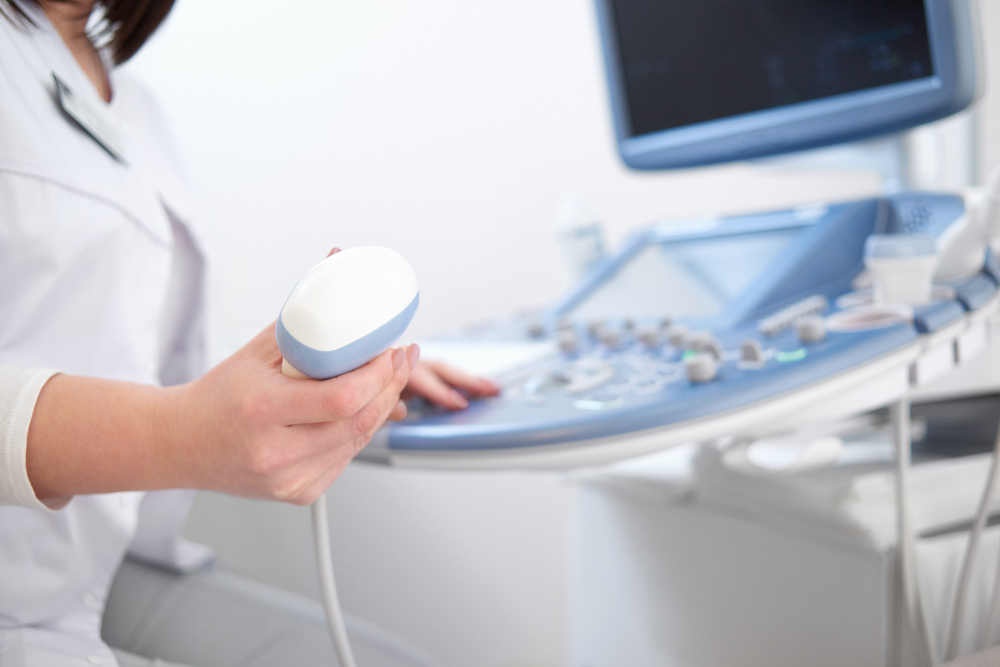
During an abdominal ultrasound procedure, a small device called a transducer is moved over your skin. This device sends out sound waves that bounce off your organs. Then, a computer turns these echoes into pictures. As a result, doctors can see what is happening inside your body in real time. Unlike X-rays, ultrasounds do not use radiation, making them very safe for most people.
Common Reasons for an Abdominal Ultrasound
Doctors may order an abdominal ultrasound for many reasons. For example, you might need one if you have:
Sometimes, doctors use this test to check for kidney stones, liver disease, or gallbladder problems. In addition, it can help find the cause of infections or blockages.
What Can an Abdominal Ultrasound Reveal?
Abdominal ultrasounds can detect many health issues. For instance, they can show:
Because this test gives clear images, it helps doctors make quick and accurate diagnoses. According to the World Health Organization (WHO), ultrasound is a key tool for early detection of many diseases.
Preparing for the Procedure
Preparation for an abdominal ultrasound is simple. However, you may need to follow some instructions. For example, your doctor might ask you to:
Always follow your healthcare provider’s advice. This helps ensure the best possible images during your test.
What to Expect During and After the Test
First, you will lie down on an exam table. Next, a technician will put a special gel on your belly. This gel helps the sound waves travel better. Then, the transducer is moved over your skin. You may feel slight pressure, but it should not hurt. The test usually takes 30 minutes or less. After the test, you can return to your normal activities right away. There is no recovery time needed.
Safety and Risks
Abdominal ultrasounds are very safe. They do not use radiation, so there is no risk of exposure. Most people have no side effects. Rarely, some may feel a little discomfort from the pressure of the transducer. However, this goes away quickly. According to the Centers for Disease Control and Prevention (CDC), ultrasound is one of the safest imaging tests available.
Frequently Asked Questions
Here’s a customized version for Star Diagnostic:
In Summary: The Importance of Abdominal Ultrasounds
An abdominal ultrasound is a safe, non-invasive test that can reveal many health issues without causing pain or using radiation. This procedure helps doctors diagnose conditions in your organs and digestive system early, allowing for better treatment planning.
If you have any questions or need an abdominal ultrasound, consult a radiologist or healthcare provider at Star Diagnostic for personalized advice.